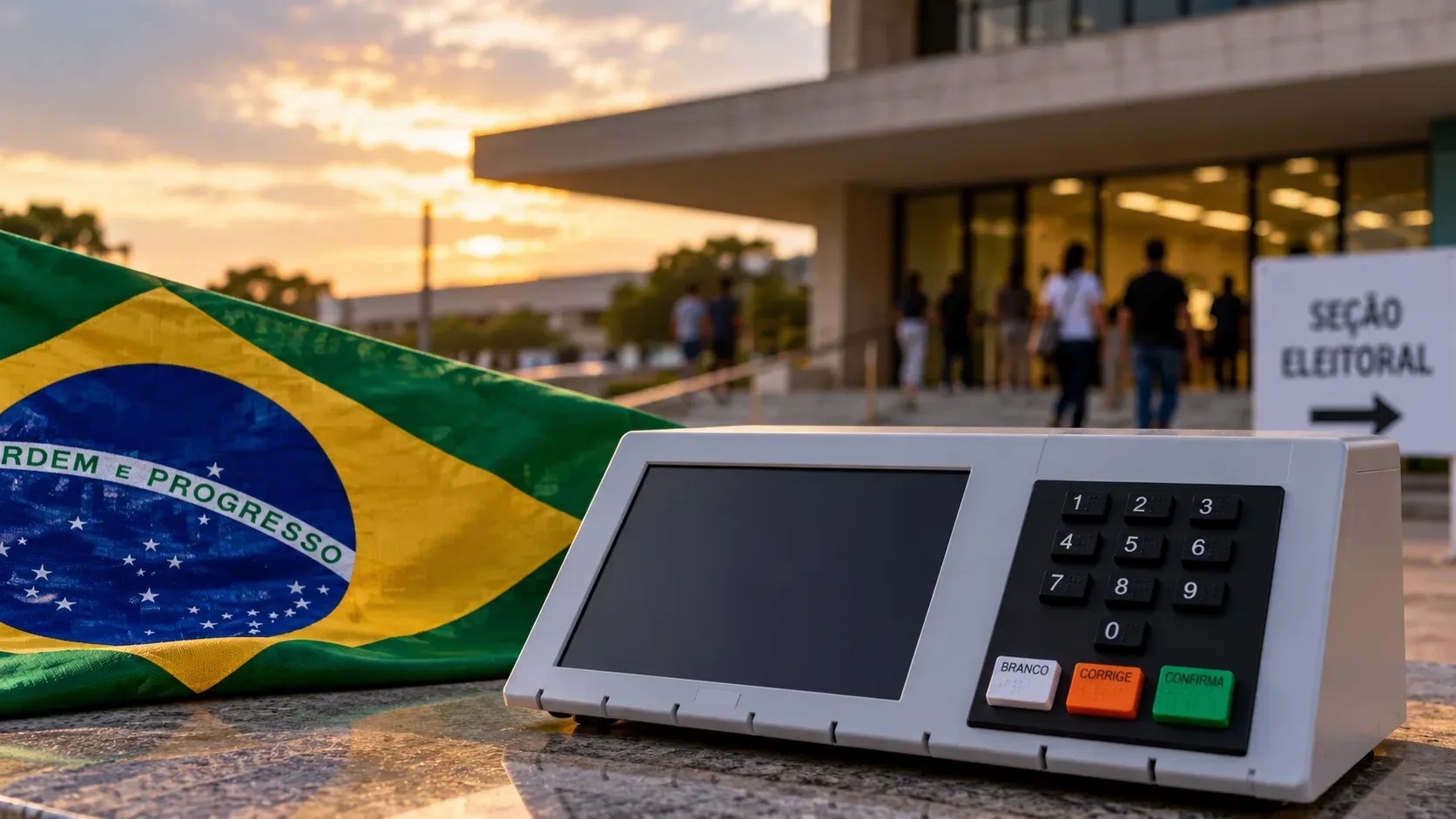

Threatening dismissal, offering benefits in return for political support, or obstructing access to the polls are actions that may constitute electoral harassment at work in Sergipe, Brazil. On 21 October 2026, the Labour Prosecution Service in Sergipe (MPT-SE) reported receiving 24 complaints, compared with 11 as of 4 October, and announced special duty hours to receive reports on 24 and 25 October. These 24 complaints are reports of possible wrongdoing, not proven cases.
According to MPT-SE, the allegations concern private companies and public administration bodies in Aracaju and elsewhere in Sergipe. The notice does not break down complaints by municipality or state how many led to a substantiated violation, proceedings, or conviction. The figures describe the position announced on 21 October, not a final total for the 2026 elections.
What may constitute workplace electoral harassment?
Electoral harassment involves coercion, intimidation, threats, humiliation, or pressure connected to an election and intended to influence workers' votes, political support, or political expression. It can happen in the private or public sector, including through messages, meetings, or other work-related activities. Each situation must be assessed according to its facts and context.
- Threatening dismissal, reduced benefits, reassignment, or career harm to workers who do not support a particular candidate.
- Promising an advantage, preferential treatment, or a benefit conditional on a vote or political position.
- Forcing participation in campaign events, demanding displays of support, or requiring the use of election campaign material.
- Humiliating, targeting, or discriminating against someone for expressing a different political opinion.
- Arranging shifts or creating barriers to voting, including on the basis of a worker's political preferences.
An uncoerced political conversation, without threats, imposition, or retaliation, does not automatically amount to harassment. The problem arises when workplace authority, employment relationships, or other pressure are used to restrict freedom of choice. Even a single incident can warrant investigation.
How to report it to MPT-SE
- Visit the MPT-SE complaints system at https://peticionamento.prt20.mpt.mp.br/denuncia and follow the steps shown on the page.
- Specify the municipality, workplace or public body involved, when the event occurred, and how pressure was applied. Describe statements, messages, demands, or threats without assuming the violation has already been established.
- Where available and lawfully obtained, attach messages, emails, audio, images, documents, or other records. Identify potential witnesses, if any.
- Complete the identification fields required by the form and request confidentiality of personal details if needed. Requesting confidentiality does not mean a finding has already been made about the allegations.
This channel accepts reports of possible employment-related violations. Someone witnessing an attempt to prevent another person from voting may also report it. Allegations of possible electoral crimes may be forwarded by the labour prosecutors to the Electoral Prosecution Service; referral and any finding of liability depend on the competent authorities' review.
Special duty on 24 and 25 October 2026: hours and contacts
MPT-SE announced special duty hours from 8 a.m. to 5 p.m. Sergipe time (UTC-3) on Saturday, 24 October, and Sunday, 25 October 2026, with teams in Aracaju and Itabaiana. Particular attention will be paid to pressure that prevents or hinders voting in the runoff election.
- Aracaju: MPT-SE headquarters, Avenida Desembargador Maynard, 72, Cirurgia neighbourhood. Published telephone number: (79) 3194-4600.
- Itabaiana: Labour Prosecution Office in Itabaiana, Avenida Otoniel Dória, 445, Centro. Telephone number published for special duty: (79) 98127-1202.
- Online: reports can be initiated through the MPT-SE complaints portal. The announcement does not specify telephone service hours outside the special duty period.
Can people working on election day leave to vote?
Yes. Article 60 of Brazilian Superior Electoral Court (TSE) Resolution 23,759/2026 guarantees voters who need to work or provide services to another person on polling day the right to be absent for the time needed to vote. This does not, by itself, mean a full day off. Preventing or obstructing voting can have consequences under electoral and labour law, depending on the circumstances.
A complaint is not a proven violation
The 24 reports cited by MPT-SE do not establish that 24 employers or public officials committed electoral harassment. Receiving a complaint is an initial stage: allegations may require investigative measures, with due process and the rights of defence respected. That is different from a finding of responsibility or a conviction.
Information checked on 22 October 2026. The announced special duty applies only to 24 and 25 October 2026; the complaint totals are those published on 21 October. For service arrangements and reporting procedures after these dates, consult MPT-SE's official channels.
Sources and references
- MPT-SE, 21 October 2026 report and runoff-weekend duty
- MPT-SE, online complaints portal
- MPT, 2026 guidance on misconduct and evidence
- TSE, guidance on reporting workplace electoral harassment
- TSE, Resolution 23,759/2026, Article 60, right to leave work to vote
- TSE, 2026 Voter Handbook, reporting irregularities